web design services is the process of creating a website that is both visually appealing and user-friendly. There are many elements of web design that contribute to the success of a website, but there are six basic elements that are essential for creating an effective and visually appealing website. In this post, we’ll take a closer look at the top 6 basic elements of web design.
- Layout
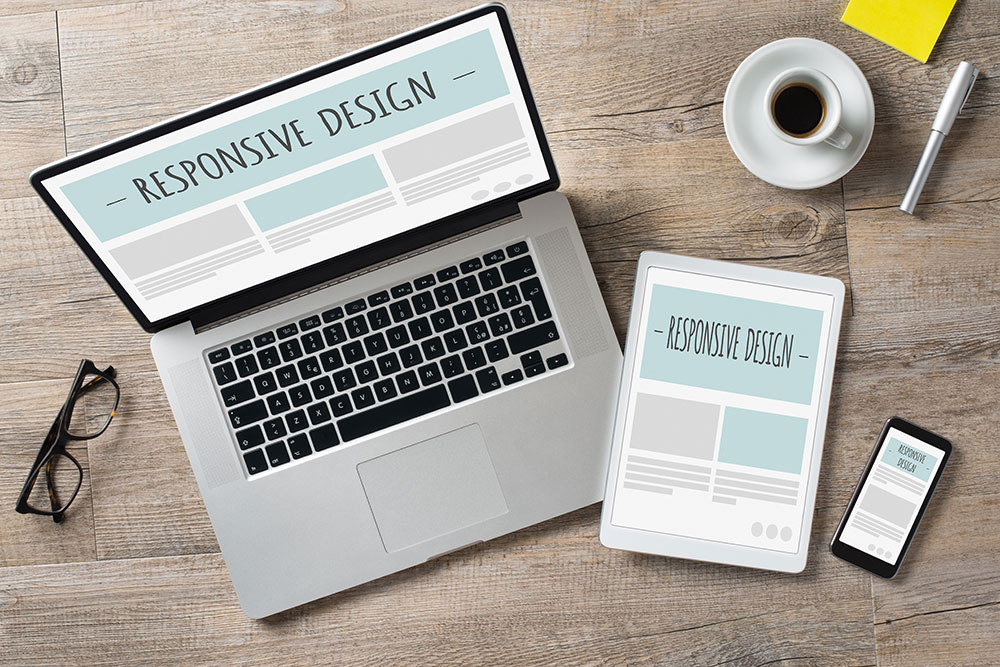
The layout of a website refers to the way in which the content is organized and presented on the page. A well-designed layout should be easy to navigate and visually appealing, with a clear hierarchy of information that guides the user’s eye through the page. The layout should also be responsive, meaning it should adapt to different screen sizes and devices.
A good website layout should be organized in a way that makes it easy for users to find what they’re looking for. This can be achieved by using clear headings, subheadings, and sections that separate the content into easily digestible chunks. A consistent layout should be maintained throughout the website, so users always know what to expect when they navigate from one page to another.
The width of the website is also an important consideration. We typically design our websites with a width of 1280 pixels, however, this is adjusted based on how much content is needed on the page.
Sometimes the standard width of 1280 pixels makes the website seemed cramped, especially if there are multiple columns of information needed.
You typically have less than nine seconds to tell a visitor who you are, what you do, and what you want them to do next. The layout of your website plays a huge part in being able to get that information across effectively.
- Color
Color is an essential element of web design that can greatly impact the user’s experience. A well-designed color scheme should be consistent throughout the website, reflecting the brand identity and creating a clear visual hierarchy. Color can also be used to convey emotions and create a sense of atmosphere or mood.
Here is a brief overview of the emotions that different colors can evoke:
Red:
Red is a powerful color that can evoke a sense of urgency and excitement. It is often associated with passion, love, and energy. In web design, while red is often used for call-to-action buttons, as it can grab the user’s attention and encourage them to take action.
Orange:
Orange is a warm and energetic color that can create a sense of enthusiasm and playfulness. It is often associated with creativity, adventure, and optimism. In web design, orange is often used to create a sense of urgency or to draw attention to important information.
Yellow:
Yellow is a bright and cheerful color that can evoke a sense of happiness and positivity. It is often associated with sunshine, warmth, and friendliness. In web design, yellow is often used to create a welcoming and friendly atmosphere. It is also the first color your eye processes so it should be used sparingly.
Green:
Green is a calming and refreshing color that can create a sense of balance and harmony. It is often associated with nature, growth, and prosperity. In web design, green is often used to create a sense of relaxation and to convey a sense of environmental responsibility.
Blue:
Blue is a cool and calming color that can create a sense of trust and loyalty. It is often associated with the sky, water, and the ocean. In web design, blue is often used to convey a sense of security and reliability.
Purple:
Purple is a regal and luxurious color that can create a sense of sophistication and creativity. It is often associated with royalty, luxury, and creativity.
Black:
Black is a powerful and sophisticated color that can create a sense of sophistication and authority. It is often associated with luxury, elegance, and formality.
White:
White is a clean and pure color that can create a sense of clarity and simplicity. It is often associated with cleanliness, purity, and simplicity. In web design, white is often used to create a sense of minimalism and simplicity.
When choosing a color scheme for a website, you should consider the purpose of the website and the emotions you want to evoke. For example, warm colors such as red and orange can create a sense of urgency, while cool colors such as blue and green can create a calming effect. It’s also important to consider the contrast between the text and background colors, to ensure that the text is easy to read.
- Typography
Typography refers to the font styles and sizes used in the website design. A well-designed typography can greatly improve the readability of the website and create a visual hierarchy. The typography should be consistent throughout the website and be easy to read on all devices.
A good typography should be legible, with a font size that is neither too small nor too large. The font style should also be chosen based on the purpose of the website and the brand identity. Sans-serif fonts are generally preferred for digital design, as they are easier to read on screens. It’s also important to use a limited number of font styles to maintain consistency throughout the website.
- Images
Images are a powerful element of web design that can help to convey information and create an emotional connection with the user. A well-designed website should use high-quality images that are relevant to the content and optimized for the web.
Images should be chosen carefully to ensure that they are relevant to the content and are consistent with the brand identity. They should also be optimized for the web, to ensure that they load quickly and don’t slow down the website. Images can also be used to break up the content and create a more visually appealing design.
If you don’t have your own images, we can provide stock images free of charge.
- Navigation
Navigation is an essential element of web design that guides the user through the website and helps them find what they are looking for. A well-designed navigation should be intuitive and easy to use, with clear labels and a logical hierarchy.
The navigation should be placed in a prominent location on the website, such as the top or side of the page. The labels should be clear and easy to understand, and the navigation should be consistent throughout the website. The navigation should also be optimized for mobile devices, to ensure that it is easy to use on smaller screens.
- White Space
White space, also known as negative space, is the space between the elements on the page. A well-designed website should use white space to create a visual hierarchy and improve readability. White space can also be used to draw attention to important elements on the page and create a sense of balance and harmony in the design.
White space is an essential element of web design that is often overlooked. It is important to use white space effectively to ensure that the website is easy to read and navigate. A website that is cluttered and busy can be overwhelming for users and may cause them to leave the website. On the other hand, a website that is well-designed with the effective use of white space can create a sense of calm and clarity.
Conclusion
The top 6 basic elements of web design are layout, color, typography, images, navigation, and white space. These elements work together to create a website that is both visually appealing and user-friendly. A good website layout should be easy to navigate and visually appealing, with a clear hierarchy of information that guides the user’s eye through the page. Color should be used to reflect the brand identity and create a clear visual hierarchy. Typography should be consistent throughout the website and be easy to read on all devices. Images should be chosen carefully to ensure that they are relevant to the content and are optimized for the web. Navigation should be intuitive and easy to use, with clear labels and a logical hierarchy. White space should be used effectively to create a visual hierarchy and improve readability.
By combining these basic elements of web design, designers can create a website that is not only attractive but also user-friendly and effective in achieving its business objectives. It’s important to keep these basic elements in mind when designing a website, as they are the foundation for a good website design. Whether you’re designing a website for a business, a personal blog, or an e-commerce site, a well-designed website can greatly enhance the user experience and contribute to the success of the website.
Related Articles
Ready to Build a Website That Gets You Found?
Let's talk about your business goals and how to build real digital authority.
Book a Free Strategy Call